

Understanding Rotor Resurfacing: Pros, Cons, and When It’s Safe to Do It
Understanding Rotor Resurfacing: Pros, Cons, and When It’s Safe to Do It
Primary Keyword:Understanding Rotor Resurfacing
Company:J's Mobile Quick Lube
Introduction
Your vehicle’s braking system is one of the most important safety components on the road. Over time, brake rotors can develop uneven surfaces, grooves, or warping that affect braking performance. That’s where understanding rotor resurfacingbecomes important for vehicle owners who want to maintain safe and efficient brakes.
Rotor resurfacing can extend the life of your brake components and improve stopping power, but it’s not always the right solution. In some situations, replacing the rotors is the safer option.
In this guide from J's Mobile Quick Lube, we’ll explain what rotor resurfacing is, the pros and cons, and when it’s safe to have your rotors resurfaced.
What Is Rotor Resurfacing?
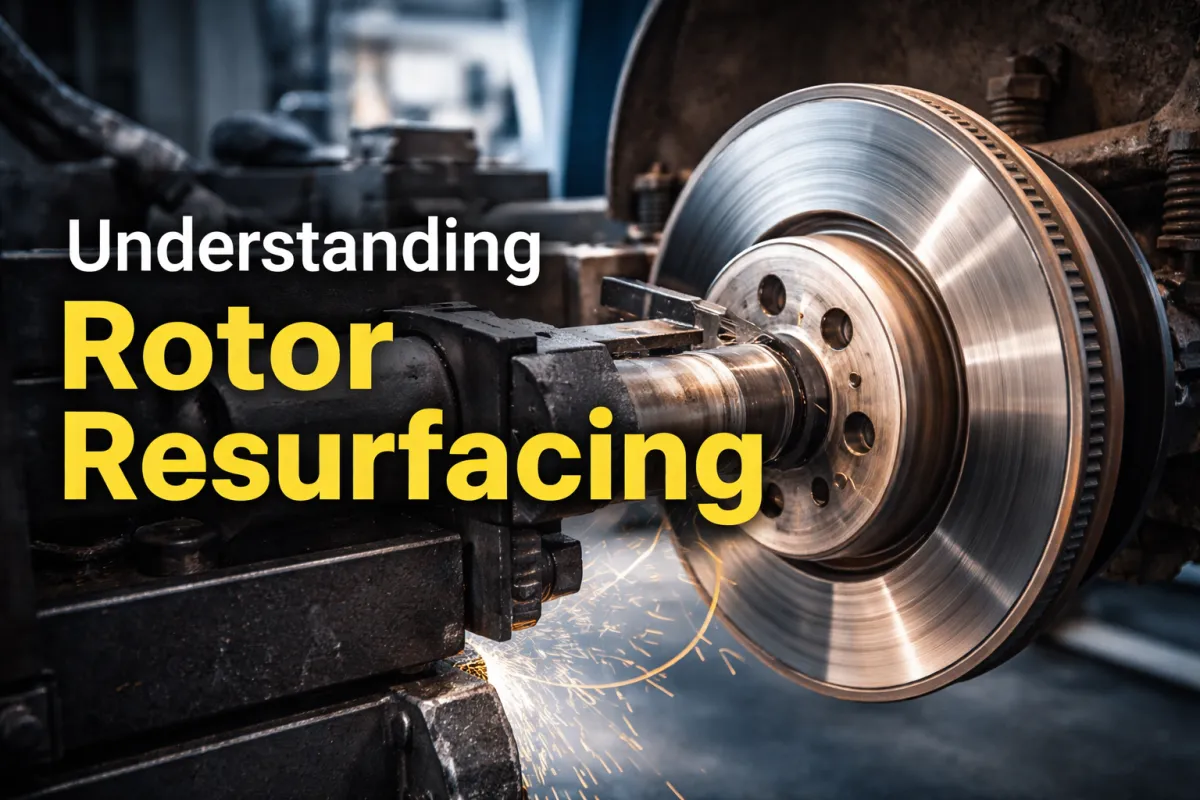
Rotor resurfacing, sometimes called brake rotor machining, is the process of removing a thin layer of metal from the surface of the brake rotor. This process smooths out imperfections, grooves, and uneven areas.
The goal is to create a flat, even surfaceso brake pads can make proper contact with the rotor.
Resurfacing is typically performed using a specialized machine that cuts a precise layer off both sides of the rotor to restore its smooth surface.
Why Brake Rotors Wear Down
Brake rotors endure extreme heat and friction every time you press the brake pedal. Over time, this constant stress causes wear.
Common reasons rotors develop issues include:
Heat buildup from frequent braking
Worn brake pads
Driving in stop-and-go traffic
Heavy braking while towing
Corrosion or rust buildup
These issues can lead to symptoms like vibration, noise, or reduced braking efficiency.
Signs Your Rotors May Need Resurfacing
If your brake rotors become uneven, your vehicle will often show noticeable warning signs.
Common symptoms include:
Steering wheel vibration when braking
Squealing or grinding noises
Brake pedal pulsation
Visible grooves on the rotor surface
Reduced braking performance
If you notice any of these issues, it’s important to have your braking system inspected by professionals like the team at J's Mobile Quick Lube.
Pros of Rotor Resurfacing
Rotor resurfacing can be a cost-effective solution when the rotors still have enough thickness remaining.
1. Extends Rotor Life
Resurfacing removes surface imperfections and allows you to reuse the rotor safely, extending its usable lifespan.
2. Improves Brake Performance
A smooth rotor surface ensures better contact with the brake pads, improving braking consistency and stopping power.
3. Reduces Brake Noise and Vibration
Machining the rotor removes uneven areas that cause pulsation or noise during braking.
4. More Affordable Than Replacement
Resurfacing is often cheaper than purchasing and installing new rotors.
Cons of Rotor Resurfacing
While resurfacing has benefits, it also has limitations.
1. Rotors Become Thinner
Every time a rotor is resurfaced, material is removed. If the rotor becomes too thin, it can overheat or crack.
2. Not Always Possible
If rotors are severely warped, cracked, or worn below minimum thickness, resurfacing is not safe.
3. Shorter Future Lifespan
Resurfaced rotors may wear out sooner than brand-new ones.
When Rotor Resurfacing Is Safe
Not every rotor can be resurfaced safely. Mechanics must inspect the rotor before deciding whether resurfacing is appropriate.
Rotor resurfacing is generally safe when:
The rotor thickness is above the manufacturer’s minimum specification
The rotor is not cracked
Warping is minor
There is no severe heat damage
Professional technicians measure the rotor thickness before resurfacing to ensure it meets safety requirements.
When Rotors Should Be Replaced Instead
Sometimes replacing the rotors is the better option.
Rotors should be replaced if they have:
Cracks
Severe warping
Heavy rust damage
Thickness below the safe limit
Deep grooves that require excessive machining
In these cases, installing new rotors ensures safe and reliable braking.
Importance of Professional Brake Inspections
Because brake systems are critical to safety, rotor resurfacing should always be evaluated by trained technicians.
Professional inspections include:
Measuring rotor thickness
Checking for heat spots or cracks
Evaluating brake pad wear
Testing overall brake performance
At J's Mobile Quick Lube, our experienced technicians can determine whether resurfacing or replacement is the best option for your vehicle.
Final Thoughts
Understanding rotor resurfacinghelps drivers make better decisions about brake maintenance. While resurfacing can be an affordable way to restore braking performance, it’s only safe when rotors meet specific thickness and condition requirements.
If you’re experiencing brake vibration, noise, or reduced stopping power, it’s important to have your braking system inspected promptly.
At J's Mobile Quick Lube, we’re committed to keeping your vehicle safe with reliable brake inspections and maintenance services. Proper brake care ensures your vehicle stops smoothly and safely every time you hit the road.