



How Often Should You Get a Synthetic Oil Change Service? A Practical Guide
How Often Should You Get a Synthetic Oil Change Service? A Practical Guide
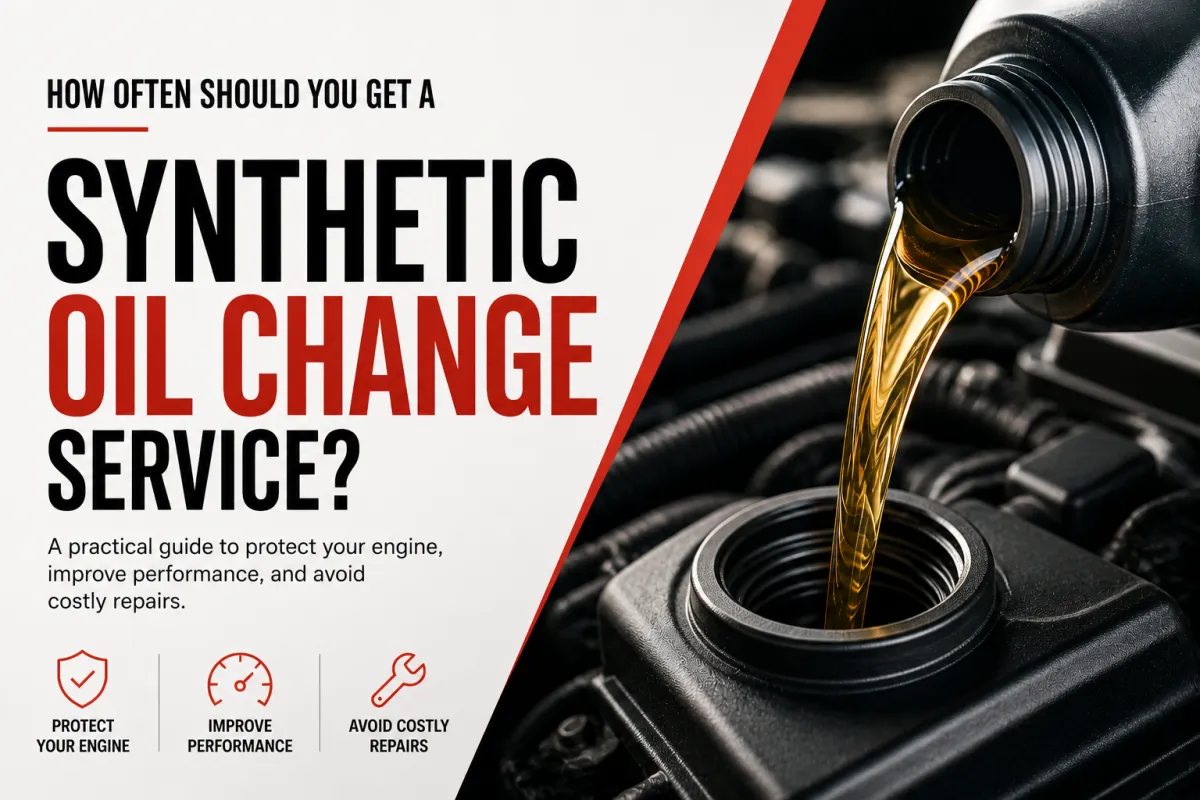
Keeping up with regular oil changes is one of the easiest ways to protect your engine, improve performance, and avoid costly repairs. But if your vehicle uses synthetic oil, you may be wondering: How often do I really need a synthetic oil change service?
The answer depends on your vehicle, driving habits, mileage, and manufacturer recommendations. In this guide, J’s Mobile Quick Lube breaks down what you need to know about your synthetic oil change interval so you can keep your car, truck, or SUV running smoothly.
What Is a Synthetic Oil Change Service?
A synthetic oil change service replaces your old engine oil with high-quality synthetic motor oil. Synthetic oil is engineered to provide better engine protection, improved temperature resistance, and longer-lasting performance compared to conventional oil.
During a synthetic oil change, a professional technician typically:
Drains the old engine oil
Replaces the oil filter
Adds the correct synthetic oil for your vehicle
Checks oil levels
Inspects basic fluids and components when included
At J’s Mobile Quick Lube, we make the process easier by bringing quick, convenient oil change service directly to you.
How Often Should You Get a Synthetic Oil Change?
For many vehicles, a common synthetic oil change interval is around 7,500 to 10,000 miles. Some vehicles may need service sooner, while others may be able to go longer depending on the oil type, engine design, and manufacturer guidelines.
The best rule is simple: follow your owner’s manual first. Your manufacturer knows the proper oil type and recommended maintenance schedule for your specific vehicle.
That said, your driving conditions can change how often you need service.
Factors That Affect Your Synthetic Oil Change Interval
Not every driver needs an oil change at the exact same mileage. Your driving habits and environment can shorten or extend your recommended interval.
1. Stop-and-Go Driving
If you spend a lot of time in traffic, your engine works harder than it would during steady highway driving. Frequent stopping, idling, and short trips can cause oil to break down faster.
2. Short Trips
Short drives may not allow your engine to reach full operating temperature. This can lead to moisture and contaminants building up in the oil over time.
3. Extreme Heat
Hot weather can put extra stress on your engine oil. If you drive in high temperatures often, you may need a synthetic oil change service sooner.
4. Towing or Heavy Loads
Trucks, SUVs, and work vehicles that tow trailers or carry heavy loads often need more frequent oil changes. Extra strain on the engine can reduce oil life.
5. High-Mileage Vehicles
Older vehicles or engines with higher mileage may benefit from shorter oil change intervals, even when using synthetic oil.
6. Driving in Dusty or Dirty Conditions
If you often drive on dirt roads, construction areas, or dusty job sites, your oil and filter may collect contaminants more quickly.
Signs You May Need a Synthetic Oil Change Service
Even if you track mileage, your vehicle may give you signs that it needs attention. Schedule a synthetic oil change service if you notice:
Oil change or maintenance light is on
Engine sounds louder than usual
Oil looks dark, gritty, or dirty
Burning oil smell
Reduced fuel efficiency
Rough performance
It has been several months since your last oil change
Waiting too long can lead to poor lubrication, increased engine wear, overheating, and expensive damage.
Is Synthetic Oil Worth It?
Yes, synthetic oil is often worth it for many modern vehicles. It usually provides better protection than conventional oil, especially in extreme temperatures and demanding driving conditions.
Benefits of synthetic oil include:
Better engine protection
Longer oil life
Improved resistance to breakdown
Cleaner engine performance
Better cold-start protection
Stronger performance in heat
While synthetic oil may cost more upfront, it can help protect your engine and may reduce the number of oil changes needed over time.
Should You Wait Until the Oil Looks Dirty?
No. Oil color alone is not always the best way to decide when you need service. Some oil may darken naturally as it cleans the engine. The better approach is to follow your recommended synthetic oil change interval and pay attention to your vehicle’s maintenance light and performance.
Why Choose J’s Mobile Quick Lube?
Life gets busy, and finding time to visit a shop is not always easy. That is why J’s Mobile Quick Lube brings convenient oil change service to you.
With our mobile service, you can save time and avoid waiting rooms while still keeping your vehicle properly maintained.
When you choose J’s Mobile Quick Lube, you get:
Convenient mobile oil change service
Professional service at your location
Quality synthetic oil options
Fast and friendly support
Maintenance made simple
Whether you are at home, at work, or managing a busy schedule, we make it easier to stay on top of your vehicle’s oil change needs.
Final Answer: How Often Should You Get a Synthetic Oil Change?
Most drivers should plan for a synthetic oil change service every 7,500 to 10,000 miles, but your exact schedule depends on your vehicle and driving conditions. If you drive in severe conditions, take frequent short trips, tow heavy loads, or own a high-mileage vehicle, you may need service sooner.
The safest choice is to check your owner’s manual and schedule service before your oil gets too old or contaminated.
Schedule Your Synthetic Oil Change Service Today
Do not wait until engine problems start. Keep your vehicle protected with a professional synthetic oil change service from J’s Mobile Quick Lube.
Contact J’s Mobile Quick Lube today to schedule your next mobile oil change and keep your engine running strong.
FAQs About Synthetic Oil Change Service
How many miles can synthetic oil last?
Many vehicles can go around 7,500 to 10,000 miles between synthetic oil changes, but some may need service sooner or later depending on the vehicle and driving conditions.
Can I go 10,000 miles between synthetic oil changes?
Some vehicles can, but you should always follow your manufacturer’s recommendation. Severe driving conditions may require a shorter synthetic oil change interval.
What happens if I wait too long for an oil change?
Old oil can lose its ability to lubricate and protect your engine. This can lead to increased wear, overheating, poor performance, and expensive repairs.
Is full synthetic oil better than conventional oil?
Full synthetic oil usually provides better protection, lasts longer, and performs better in extreme temperatures compared to conventional oil.
Does J’s Mobile Quick Lube offer mobile synthetic oil change service?
Yes. J’s Mobile Quick Lube provides convenient mobile oil change service, making it easier to maintain your vehicle without spending time at a shop.