



How Load & Driving Conditions Impact Diesel Oil Change Frequency
How Load & Driving Conditions Impact Diesel Oil Change Frequency
Diesel engines are built for durability, torque, and hard work. But when you regularly tow heavy loads or operate under demanding driving conditions, your oil change schedule matters more than you may think.
At J’s Mobile Quick Lube, we help truck owners and fleet managers understand how towing, hauling, and heavy workloads affect oil life — and why adjusting your maintenance schedule protects your engine long term.
Let’s break it down.
Why Diesel Oil Change Frequency Isn’t One-Size-Fits-All
Many manufacturers provide general oil change intervals based on “normal driving conditions.”
But most diesel trucks — especially those used for towing, hauling, or commercial work — operate under severe duty conditions, which require more frequent maintenance.
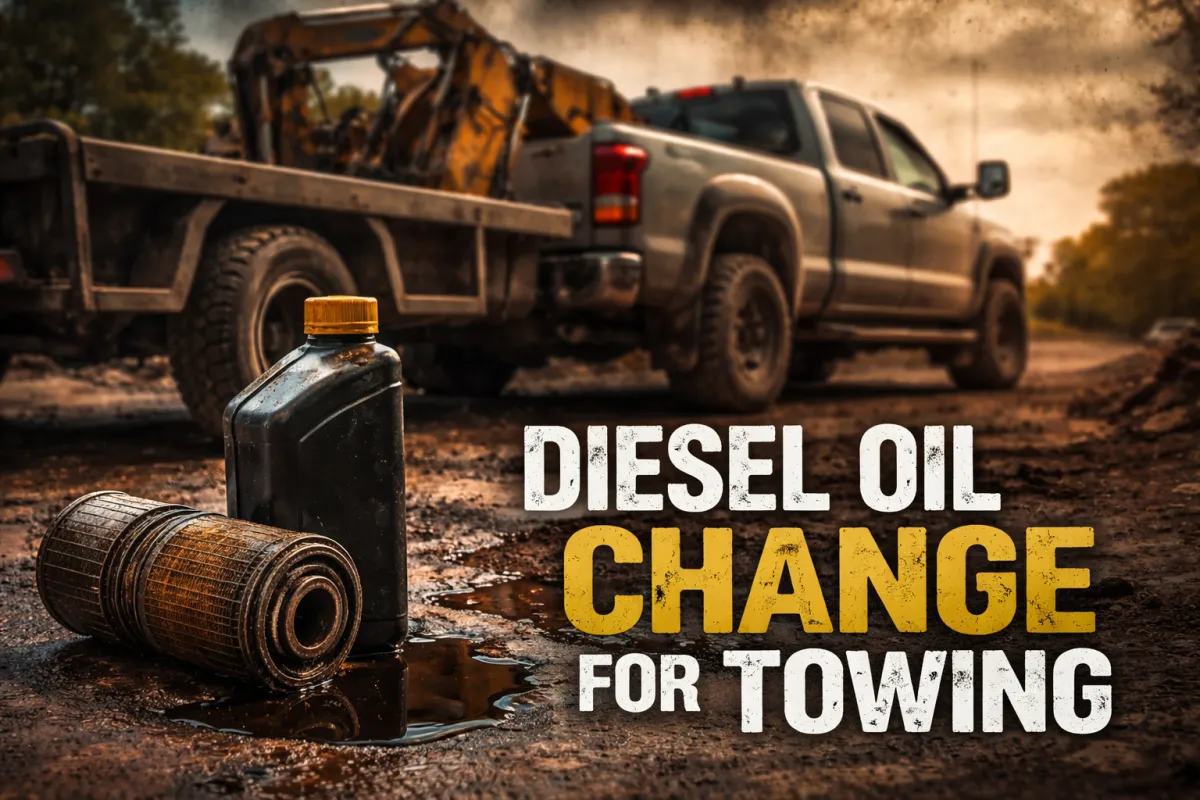
If you’re performing a diesel oil change for towing applications, you may need service significantly sooner than standard recommendations.
How Towing Impacts Your Diesel Engine Oil
When you tow heavy trailers, equipment, or campers, your engine works harder. That extra strain affects your oil in several ways:
1. Higher Engine Temperatures
Towing increases combustion temperatures. High heat:
Breaks down oil additives faster
Reduces viscosity stability
Accelerates oxidation
Oil that degrades faster loses its ability to lubricate properly.
2. Increased Soot Contamination
Diesel engines naturally produce soot. Under heavy load, soot production increases. Excess soot:
Thickens the oil
Reduces lubrication efficiency
Increases internal wear
This is especially important when scheduling a diesel oil change under heavy load conditions.
3. Greater Shear Stress
Heavy towing increases pressure on engine bearings and internal components. This mechanical stress causes:
Faster viscosity breakdown
Reduced protective film strength
The result? Oil that doesn’t protect as effectively between intervals.
Stop-and-Go Driving vs Highway Driving
Not all driving conditions affect oil the same way.
Highway Driving (Light Load)
Steady RPM
Consistent operating temperature
Lower contamination rates
This is easier on your oil.
Stop-and-Go or City Driving (Heavy Load)
Frequent idling
Repeated acceleration
Incomplete combustion cycles
Idling, especially with diesel engines, increases soot buildup and fuel dilution — both of which shorten oil life.
If you combine city driving with towing, your oil change interval should be shortened.
What Counts as “Severe Duty” for Diesel Engines?
You likely fall into severe duty if you regularly:
Tow trailers or equipment
Haul heavy cargo
Operate in hot climates
Drive in dusty conditions
Idle for extended periods
Manage commercial or fleet vehicles
For these drivers, a diesel oil change for towing should typically occur sooner than the factory “normal use” recommendation.
Recommended Oil Change Intervals Under Heavy Load
While manufacturer guidelines vary, here’s a general rule:
Normal diesel use: 7,500–10,000 miles
Heavy towing or severe duty: 5,000–7,500 miles (sometimes sooner depending on workload)
For diesel maintenance for fleet vehicles, interval tracking becomes even more important. Fleet trucks often accumulate miles quickly under high-stress conditions, making proactive maintenance essential to avoid costly downtime.
At J’s Mobile Quick Lube, we help fleet managers build custom maintenance schedules based on real-world usage — not generic estimates.
Why Delaying Oil Changes Under Heavy Load Is Risky
When oil breaks down under heavy stress, you risk:
Increased engine wear
Turbocharger damage
Reduced fuel efficiency
Sludge formation
Expensive engine repairs
Diesel engines are a major investment. Proper maintenance protects that investment.
Signs You May Need an Earlier Oil Change
Even if you haven’t reached your mileage mark, watch for:
Dark, thick oil
Reduced fuel economy
Excess engine noise
Frequent regeneration cycles
Heavy towing during extreme heat
If you notice these signs, scheduling a diesel oil change under heavy load conditions sooner rather than later is a smart move.
Diesel Maintenance for Fleet Vehicles: Why It Matters More
For fleets, oil change timing isn’t just about engine health — it’s about:
Reducing downtime
Avoiding emergency repairs
Extending vehicle lifespan
Maintaining warranty compliance
Improving operational reliability
Consistent diesel maintenance for fleet vehicles lowers long-term operating costs and keeps your business moving.
Why Choose J’s Mobile Quick Lube?
At J’s Mobile Quick Lube, we bring professional diesel service directly to you.
Whether you need:
A diesel oil change for towing trucks
On-site diesel oil change under heavy load service
Preventative diesel maintenance for fleet vehicles
We provide fast, reliable, mobile service that keeps your vehicles running strong without disrupting your schedule.
We understand diesel engines. We understand heavy workloads. And we tailor service intervals to your real driving conditions.
Final Thoughts
Your diesel engine works hard — especially when towing or operating under heavy load. That extra strain directly impacts oil life and engine protection.
Adjusting your oil change schedule isn’t optional under severe duty conditions — it’s essential.
If you regularly tow, haul, or manage fleet vehicles, let J’s Mobile Quick Lube help you create a maintenance plan that protects your investment and maximizes engine performance.
Need a Diesel Oil Change for Towing or Heavy Use?
Contact J’s Mobile Quick Lube today to schedule mobile service at your location.
We’ll keep your diesel engine protected — no matter how hard it works.